When NDTV.in launched its online fuel cost calculator, it didn't just offer a simple math trick—it handed Indian drivers a survival guide for an era of skyrocketing energy costs. In a country where petrol and diesel prices fluctuate daily based on global crude trends and local taxes, knowing exactly how much your commute costs isn't just smart; it's essential.
The tool, available directly on the news portal’s website, calculates estimated travel expenses by factoring in your vehicle’s mileage, the distance you plan to cover, and your preferred fuel type. But here’s the twist: it doesn’t stop at total trip cost. It breaks down the expense per kilometer, daily, monthly, and even annually. For someone driving New Delhi’s congested roads or managing long-haul logistics across states, this granularity is game-changing.
Why Your Mileage Matters More Than You Think
Here’s the thing most people overlook: fuel efficiency varies wildly between vehicles. A compact hatchback might deliver 20 kmpl (kilometers per liter), while a heavy-duty truck struggles to hit double digits. The NDTV calculator forces you to confront these differences head-on. You input your car’s specific mileage—data often found on manufacturer websites or platforms like CarDekho—and the current local price of petrol or diesel.
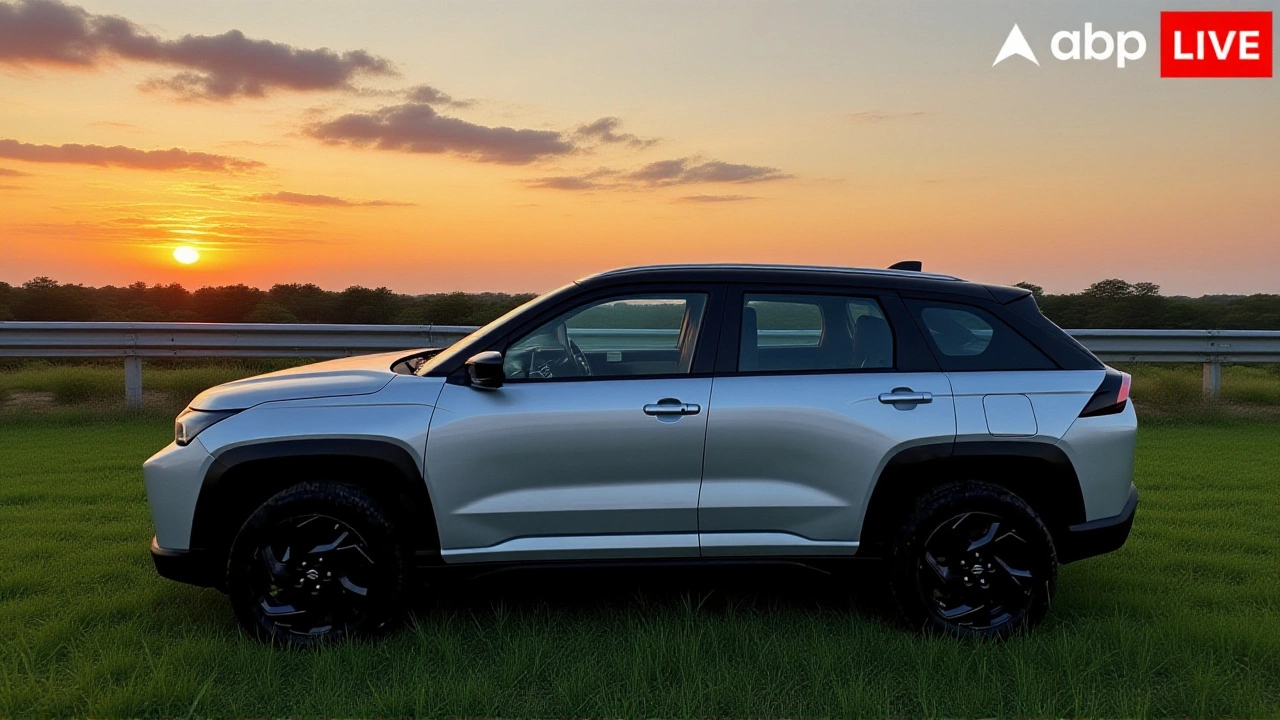
Take the Citroen C3 Live, for example. Listed at ₹4.80 lakh ex-showroom in New Delhi, this petrol variant claims a mileage of 19.3 kmpl with a 1198cc engine. If petrol costs ₹100 per liter, that’s roughly ₹5.18 per kilometer. Now compare that to a diesel truck burning through 1.5 liters for every 10 kilometers. At ₹85 per liter for diesel, that’s ₹12.75 per kilometer just for fuel. Suddenly, the choice of vehicle isn’t just about comfort—it’s about pure economics.
Budget Cars vs. Commercial Reality
For first-time buyers, the stakes are high. According to CarDekho, there are currently 14 car models available in India within the ₹1 lakh to ₹5 lakh budget range. This segment is fiercely competitive, with options like the Tata Tiago (priced between ₹4.60 lakh and ₹7.92 lakh) and the Maruti Suzuki Wagon R (starting at ₹4.99 lakh) dominating the conversation.
But wait—these prices are ex-showroom. Add registration, insurance, and road tax, and that “affordable” label starts to fade. That’s why tools like the fuel cost calculator become critical. They help potential owners understand the *total* cost of ownership, not just the sticker price. A car with slightly higher upfront cost but better mileage could save thousands over five years. Conversely, a cheap car with poor fuel economy might drain your wallet faster than expected.

The Hidden Costs of Trucking and Logistics
While individual commuters worry about their monthly petrol bills, commercial operators face a different beast entirely. Insights from YouTube transcripts reveal the gritty reality of truck rentals in India. One driver operating an Ashok Leyland 1110 shared that for routes like Indore to Raipur, parties pay between ₹30 and ₹35 per kilometer. Sounds good? Not so fast.
Let’s break it down. For a short 10-kilometer local job, the driver estimates consuming 1 to 1.5 liters of diesel. At current rates, that’s around ₹150 in fuel alone. If he charges ₹800 for the job, his profit margin looks healthy. But dig deeper. What about maintenance? Driver wages? Food? As one operator noted, if diesel costs ₹250 and other expenses run another ₹250, he needs to charge at least ₹1,000 to break even. Anything less, and he’s working for free—or worse, losing money.
This dynamic explains why rental rates vary so drastically. A 30-kilometer round trip might fetch ₹1,500, covering both fuel and overheads. Longer hauls, like 25-kilometer one-way trips, can command ₹2,100 to ₹2,200. These aren’t arbitrary numbers; they’re calculated survival strategies in a low-margin industry.
Electric vs. Diesel: The Next Frontier
Turns out, the debate isn’t just about petrol versus diesel anymore. Emerging content, including viral shorts comparing electric and diesel trains, hints at a broader shift. While exact figures remain scarce, the core question remains: what does it *really* cost to move one kilometer?
For trains, electrification promises lower operational costs over time, despite high initial infrastructure investments. For personal vehicles, the rise of EVs challenges the very premise of fuel calculators. No petrol means no per-liter calculations—but battery degradation and charging infrastructure add new variables. The principles, however, stay the same: understand your inputs, track your outputs, and calculate your true cost per unit of distance.

How to Use the Calculator Effectively
Getting accurate results requires precise data. Here’s how to do it right:
- Find Real-World Mileage: Don’t rely solely on ARAI-certified figures. Check owner forums or use apps that track actual consumption.
- Update Fuel Prices Daily: Prices change frequently. Use reliable sources like Oil India or BPCL apps for current rates in your city.
- Factor in All Distances: Include idling time and traffic congestion. A 10km drive in gridlock consumes more fuel than a highway cruise.
- Compare Scenarios: Run calculations for both petrol and diesel if your vehicle supports it. Switching fuels can sometimes yield surprising savings.
Frequently Asked Questions
How accurate is the NDTV fuel cost calculator?
The calculator provides highly accurate estimates if you input correct real-world mileage and current local fuel prices. However, it doesn’t account for variable factors like traffic conditions, air conditioning usage, or tire pressure, which can affect actual consumption by up to 10-15%.
Which budget cars offer the best fuel efficiency under ₹5 lakh?
Models like the Maruti Suzuki Alto K10 and Hyundai i10 often lead in efficiency, delivering 20+ kmpl in city driving. The Tata Tiago and Citroen C3 Live also compete strongly, offering balances of space and mileage suitable for urban families.
What is the average rental rate for trucks in India?
Rates vary significantly by distance and load. Short local trips may charge ₹700–₹1,000 flat, while longer hauls like Indore-Raipur command ₹30–₹35 per kilometer. Drivers typically aim for margins that cover diesel (approx. ₹150–₹250 for short runs) plus labor and maintenance.
Does fuel quality impact my car’s mileage?
Yes, absolutely. NDTV’s tool notes that vehicle mileage depends partly on fuel quality. High-sulfur content or adulterated fuel can reduce engine efficiency, leading to lower kmpl readings. Using branded pumps and regular engine tune-ups helps maintain optimal performance.